The Purple Water That Tells the Truth 🧪
양배추 물의 비밀
Science Day 🔬
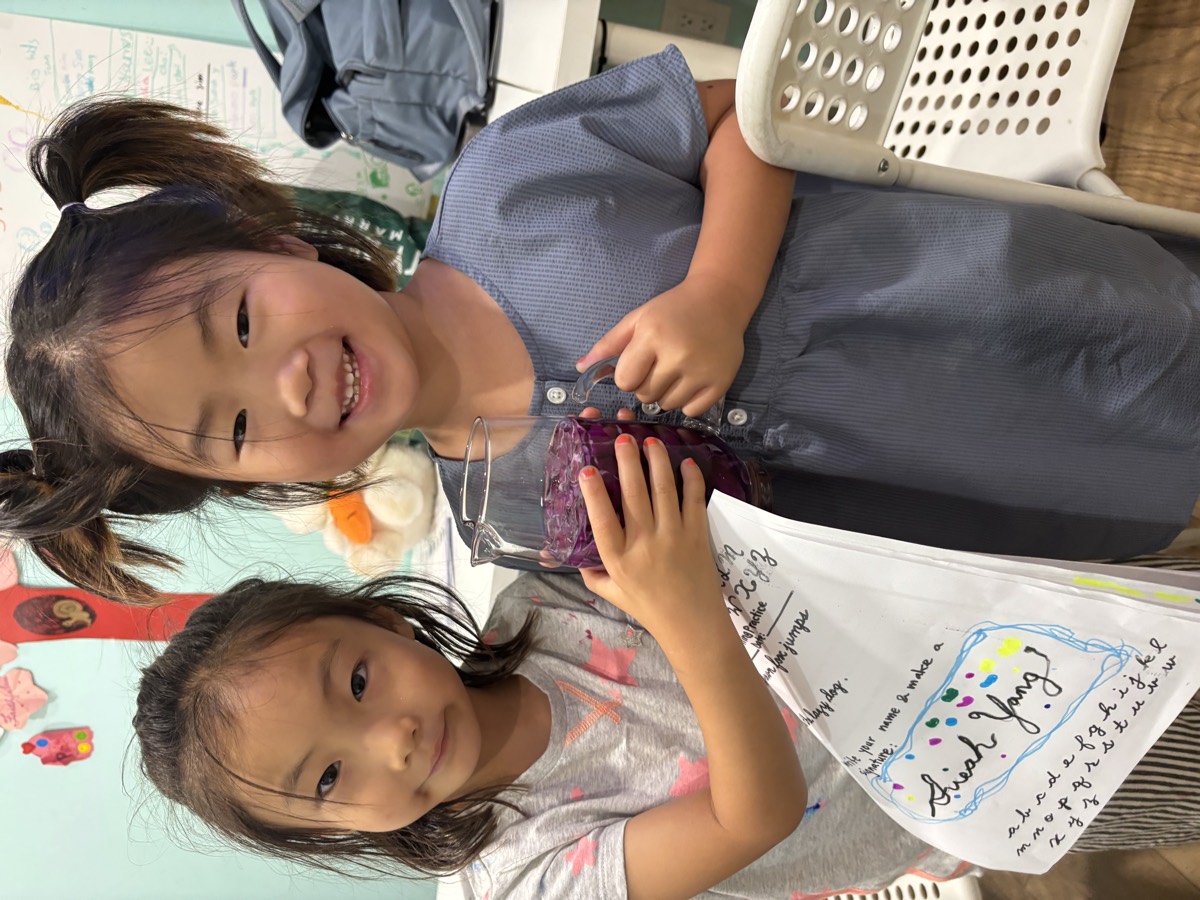
This is purple water made from soaking purple (“red”) cabbage in water. We used it for a science experiment today. On its own it looks like nothing more than a jug of coloured water — but this particular purple has a job to do. 💜
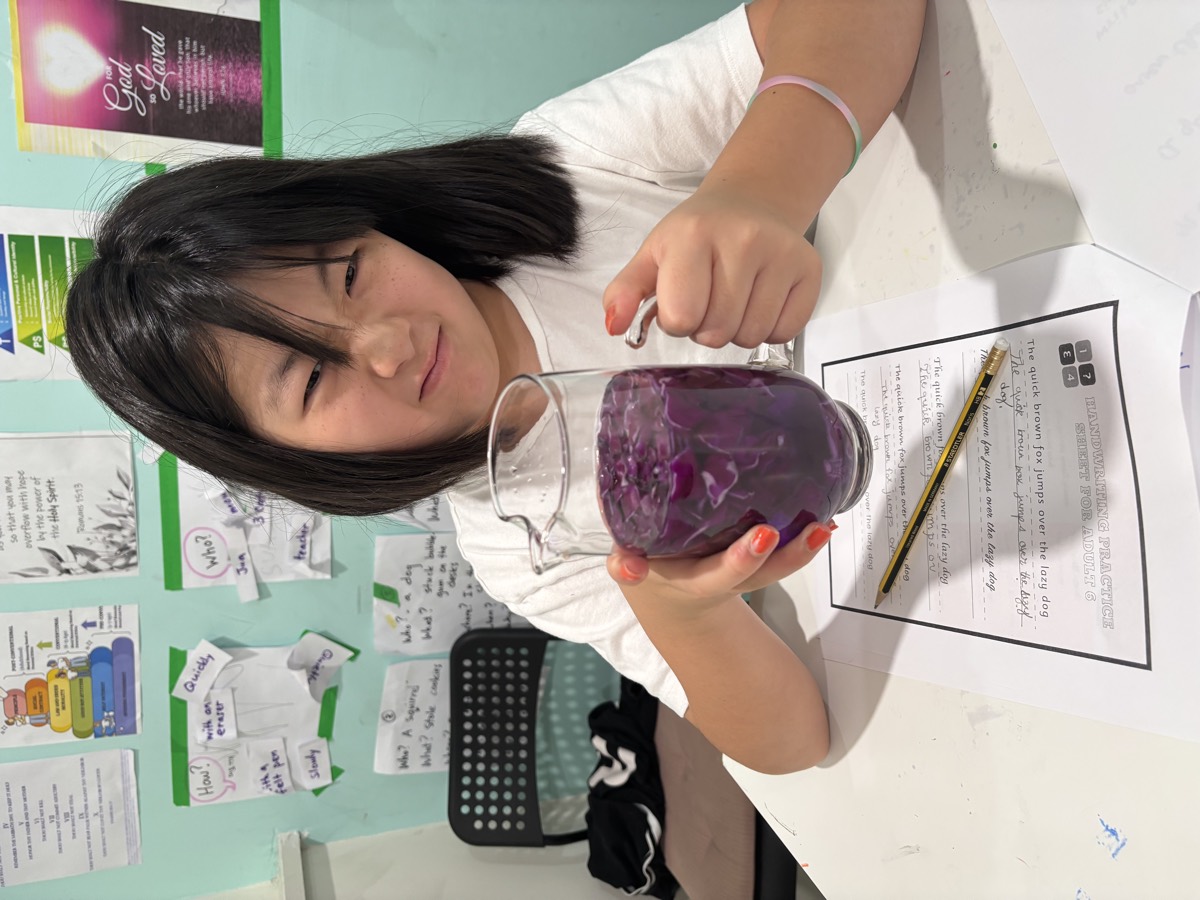
The purple liquid from the cabbage is of a neutral pH, and it is able to react with any liquid substance and cause a change in colour according to the acidity of that liquid. Drop a little into something acidic and it turns red. Drop it into something alkaline and it turns blue, then green. The liquid tells on itself. 🧐
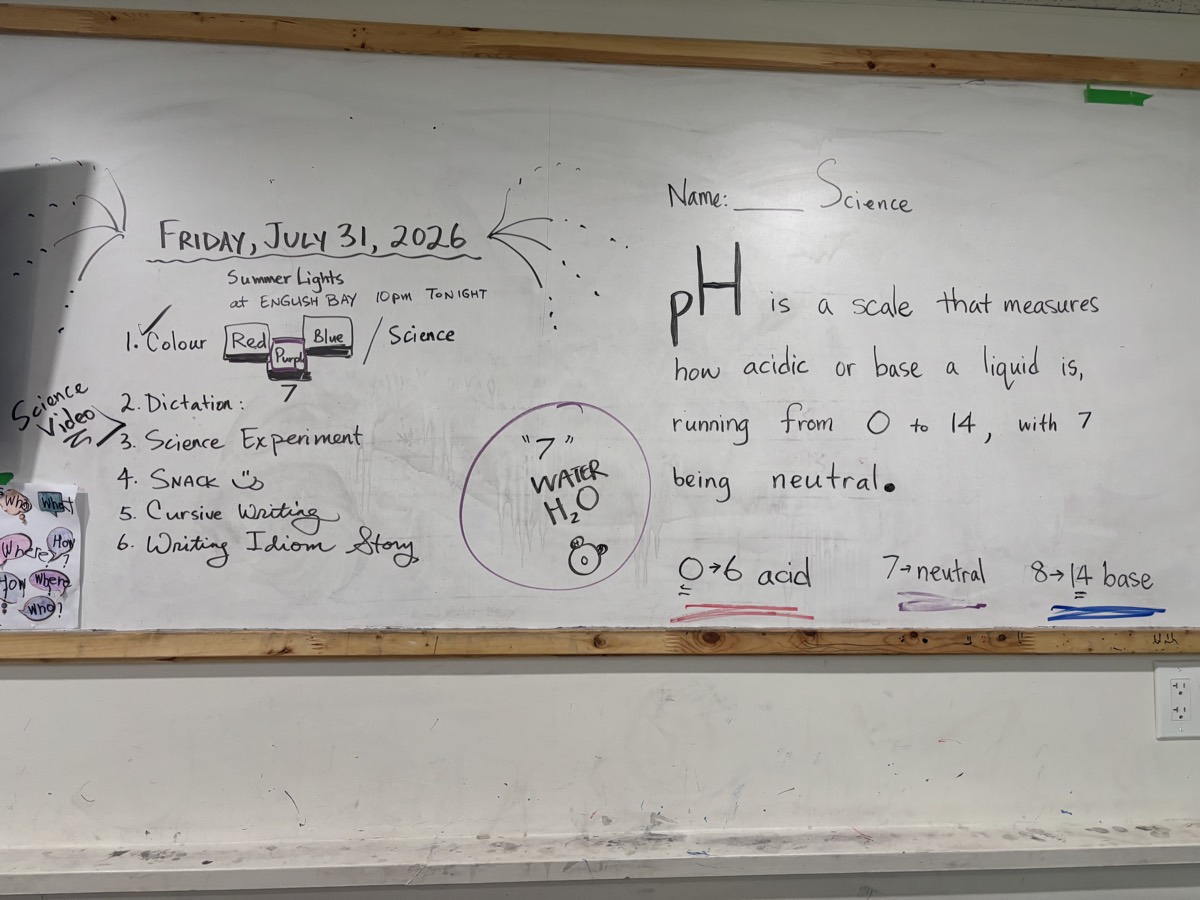
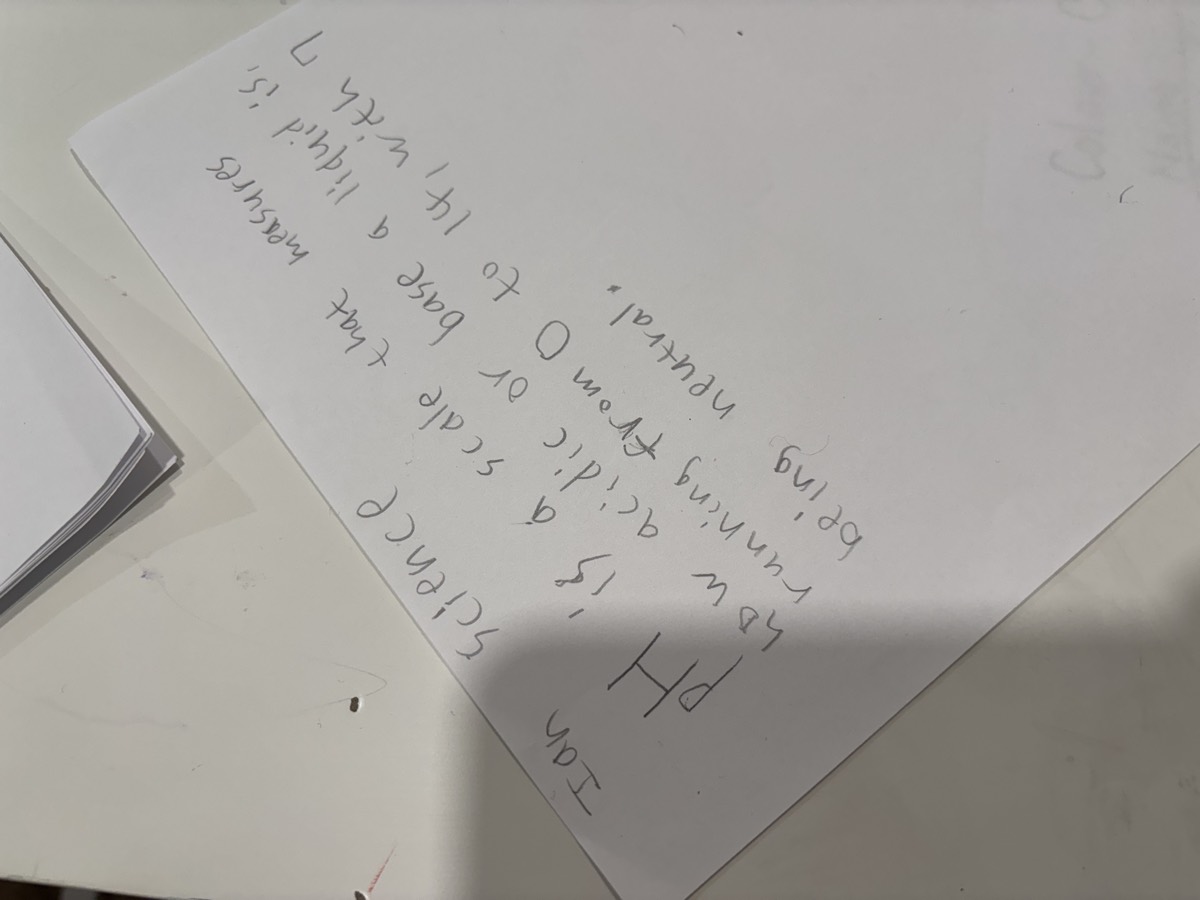
pH is a scale that measures how acidic or base a liquid is, running from 0 to 14, with 7 being neutral — the pH of pure water, H₂O. (pH stands for the hydrogen-releasing potential of a liquid.)
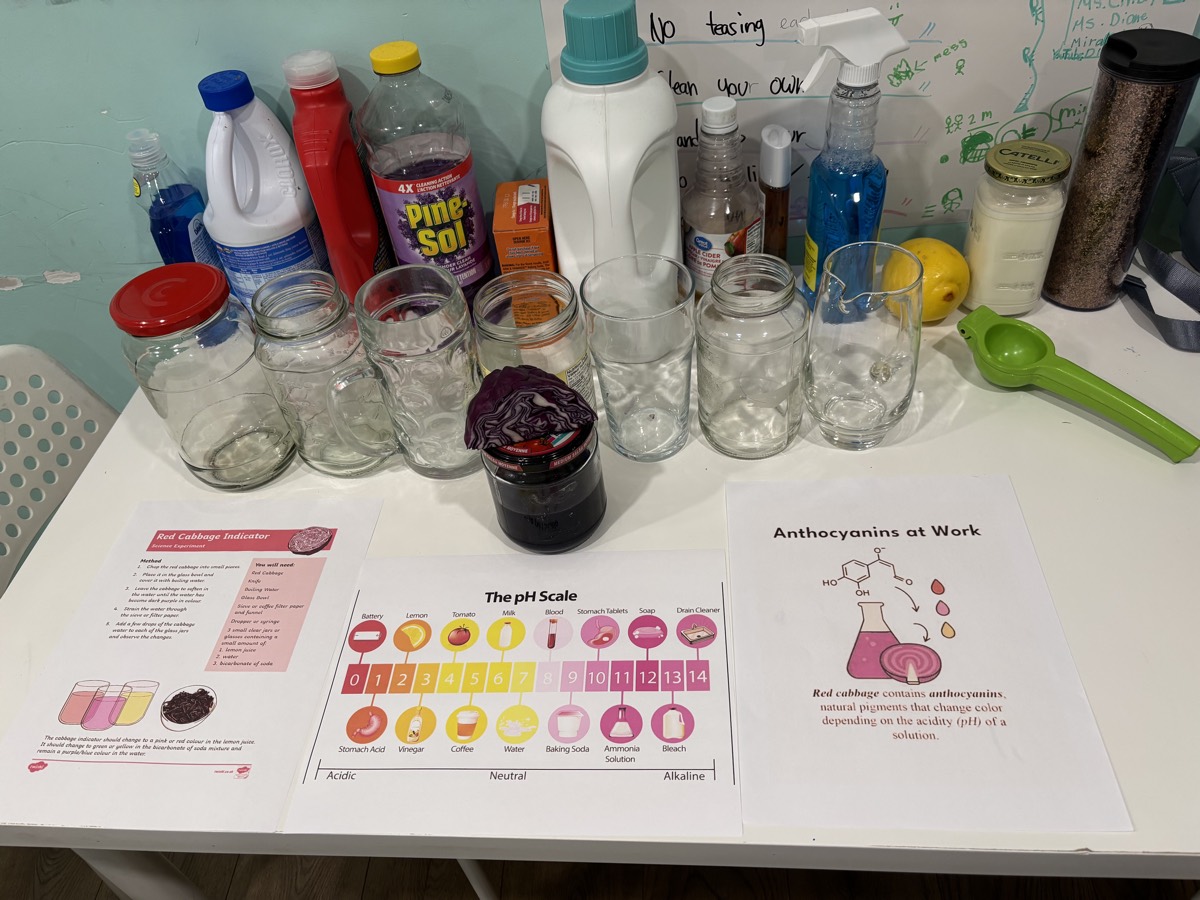
🫙 Setting Up the Lab Jars, bottles and a colour chart
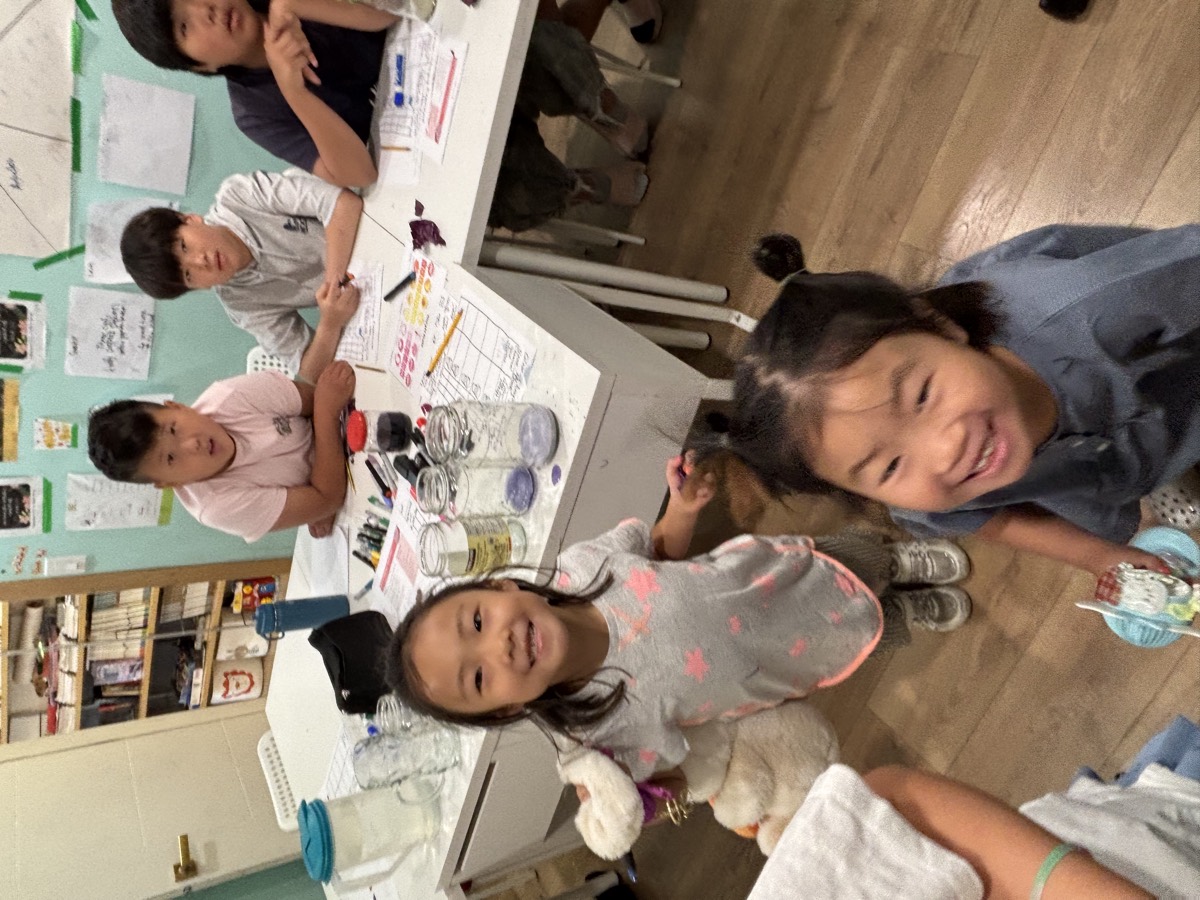
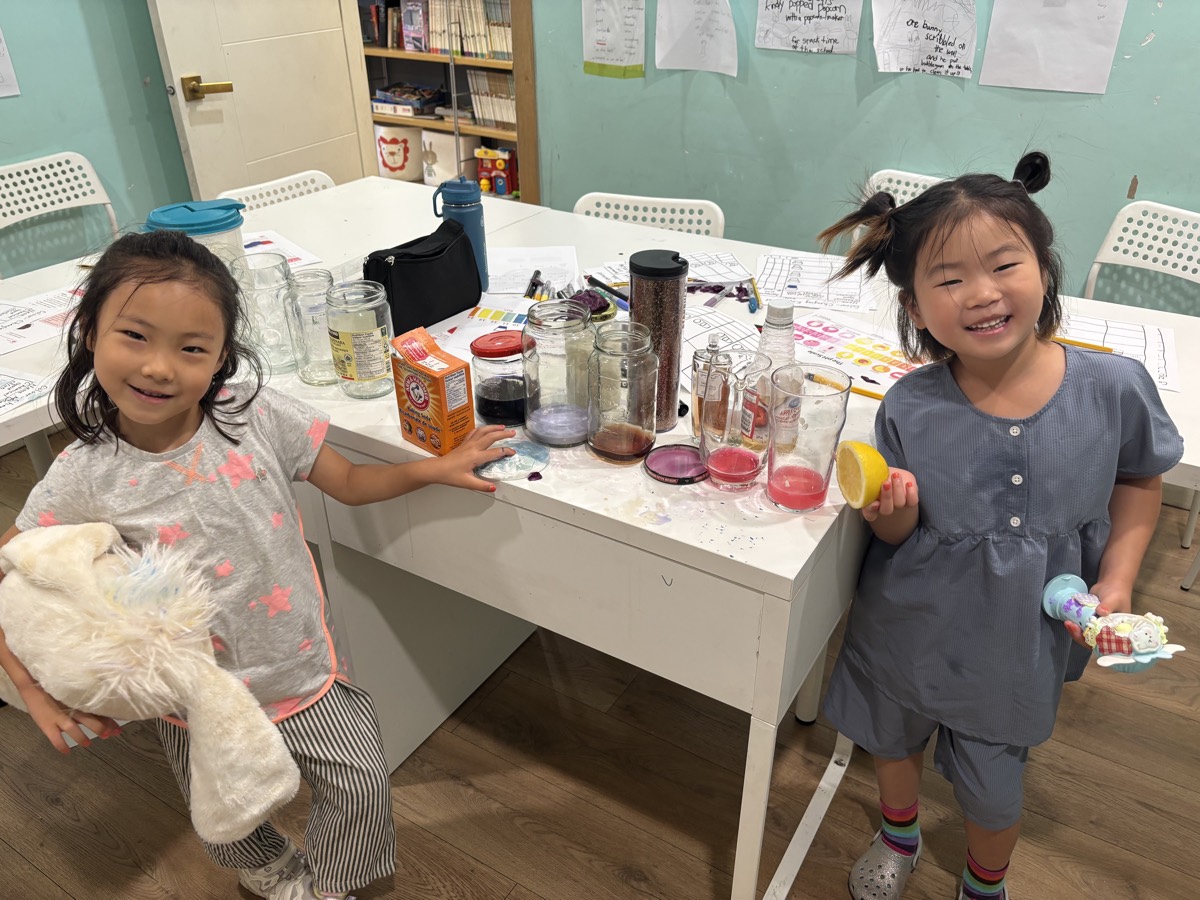
A row of clean glass jars, a table of liquids to test, and a printed indicator chart to compare against — pale pink at the acidic end, through purple in the middle, to blue, green and yellow at the alkaline end. Everything ready before a single drop was poured. 🧫
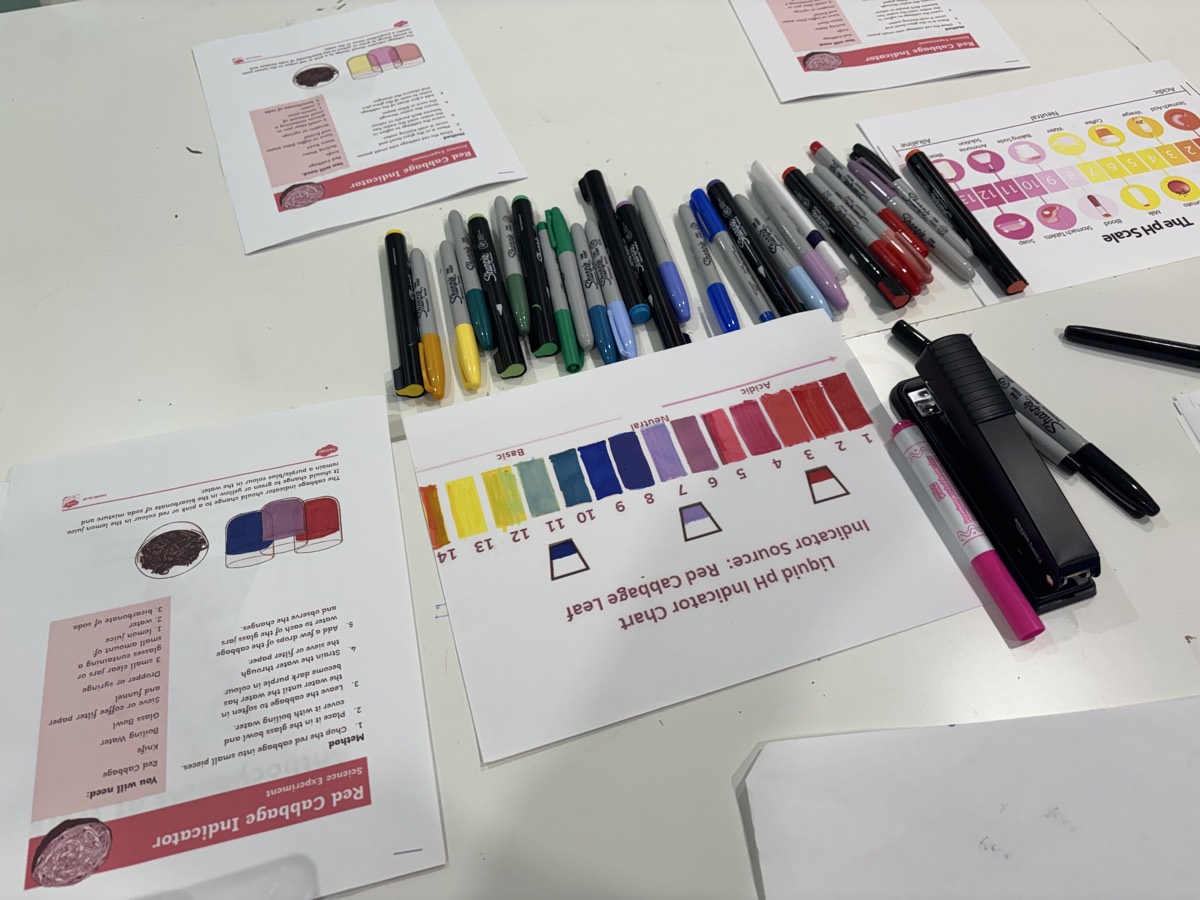
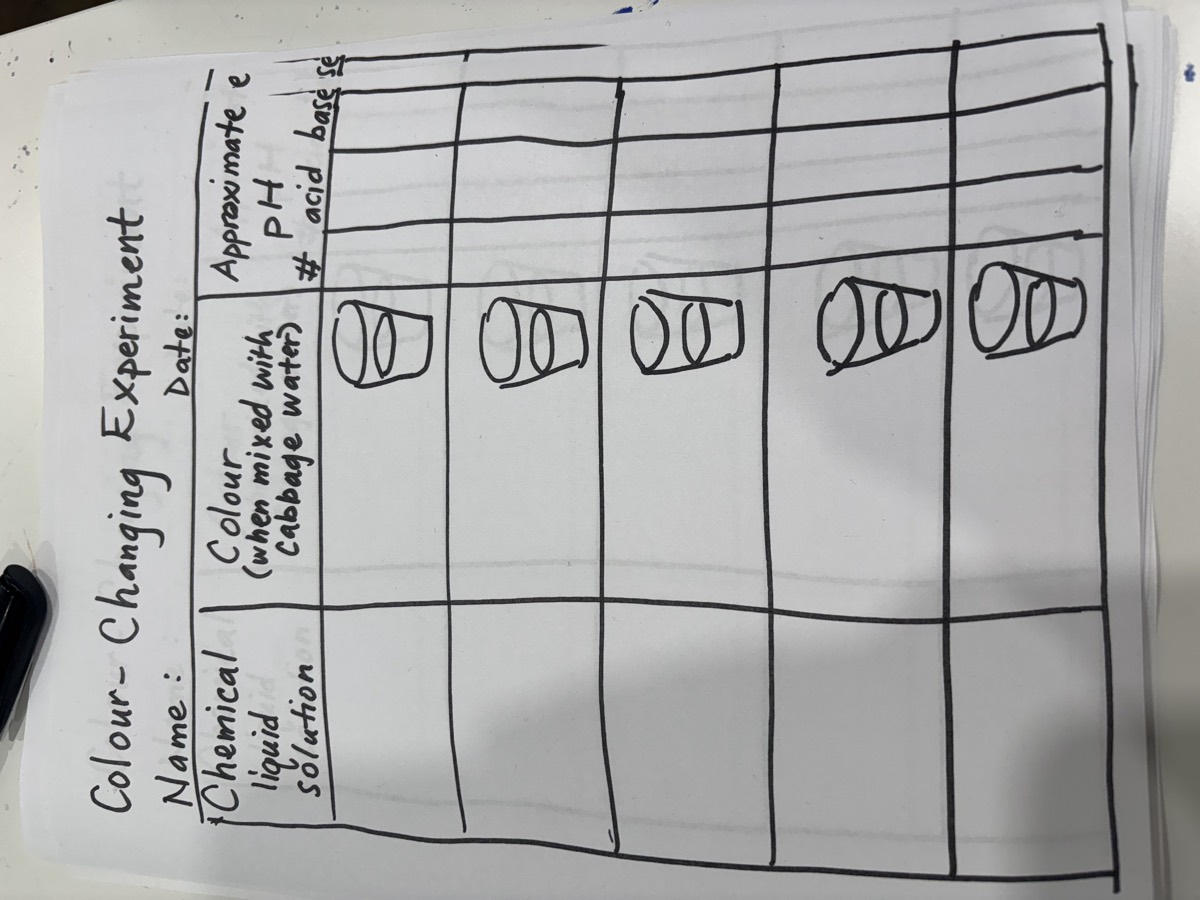
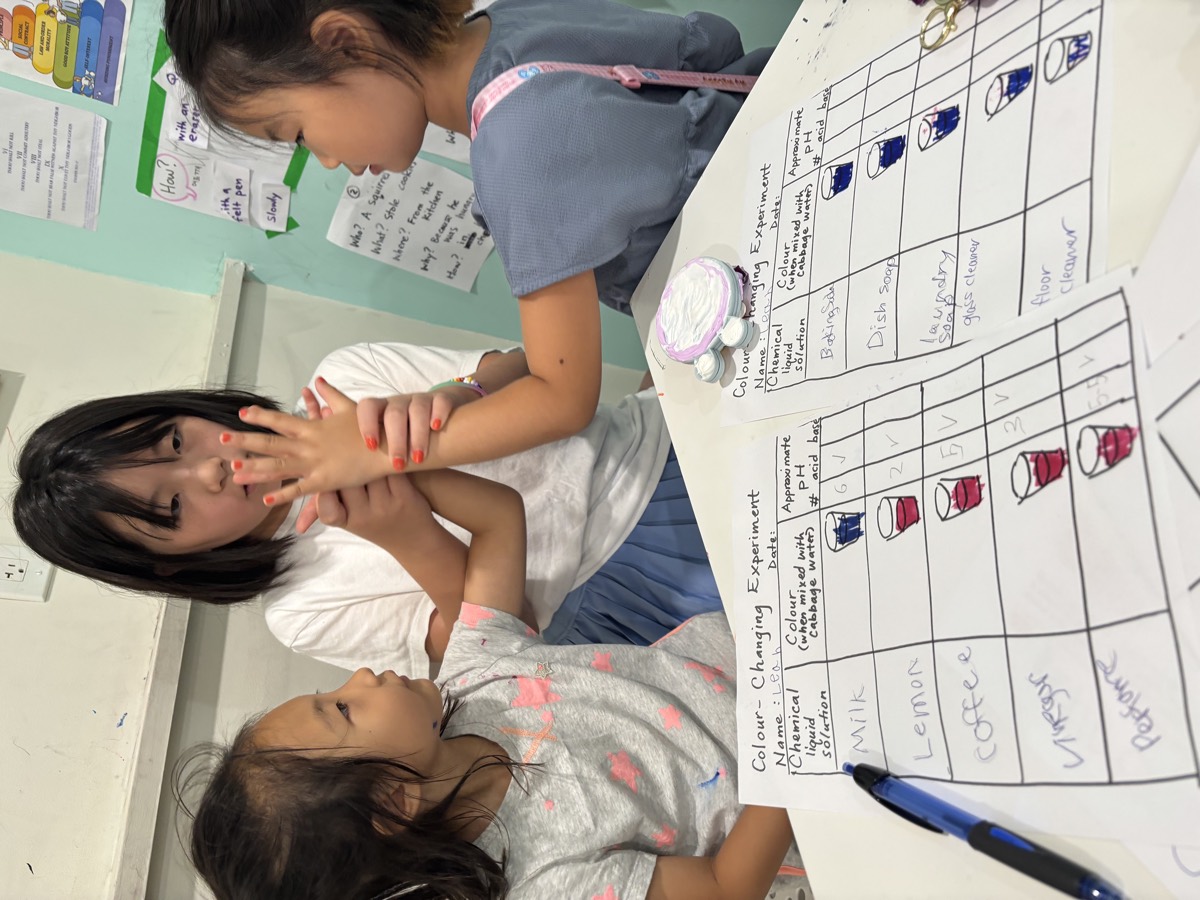
And every scientist needs a record sheet. Theirs had three columns: the chemical liquid solution · the colour it turned when mixed with cabbage water · the approximate pH, with a box to tick for acid or base. 📝
🌈 Pour, Watch, Record One liquid at a time
Then the work began. A little cabbage water into each jar, a careful look, a comparison against the chart, and a number written down. Milk barely moved off neutral. Lemon juice shot straight to the acid end. Coffee, vinegar, perfume — each one gave itself away. 🔍
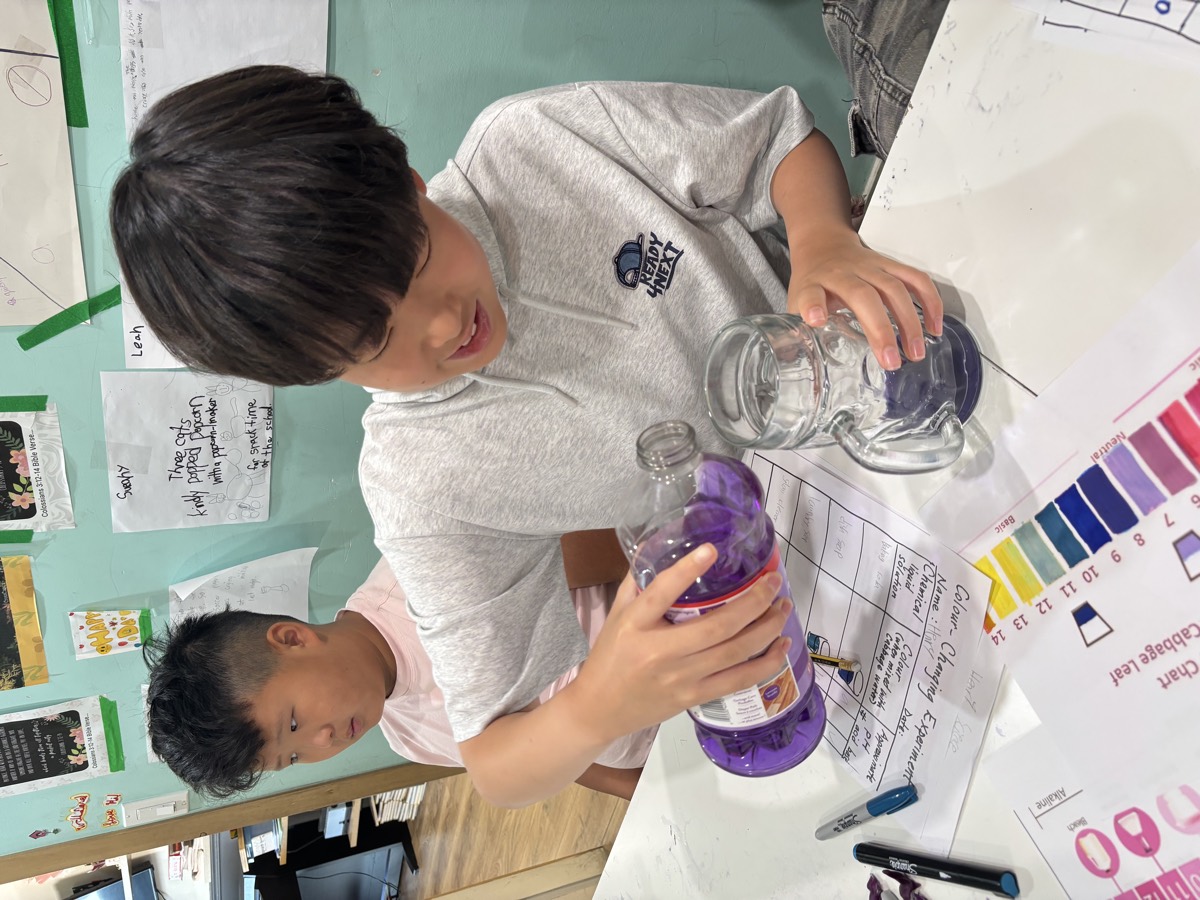
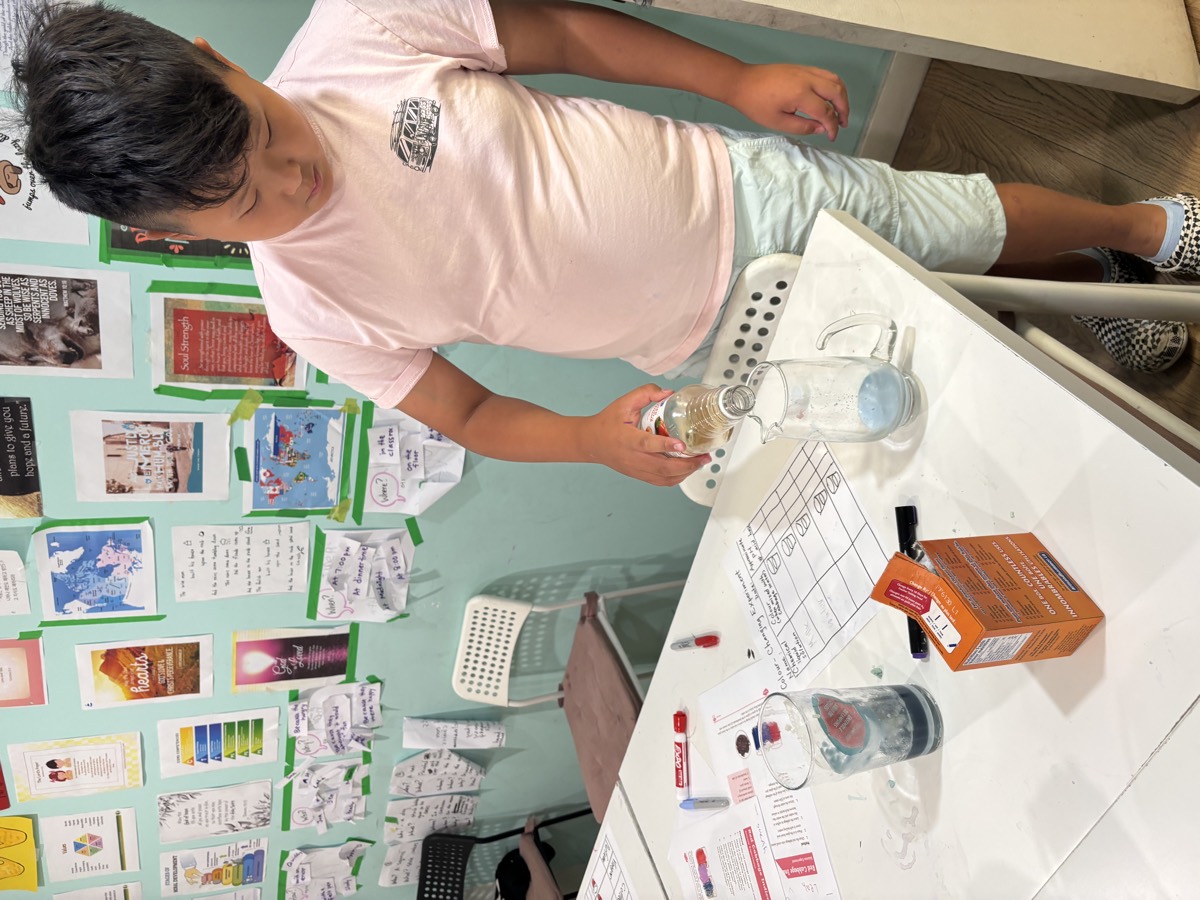
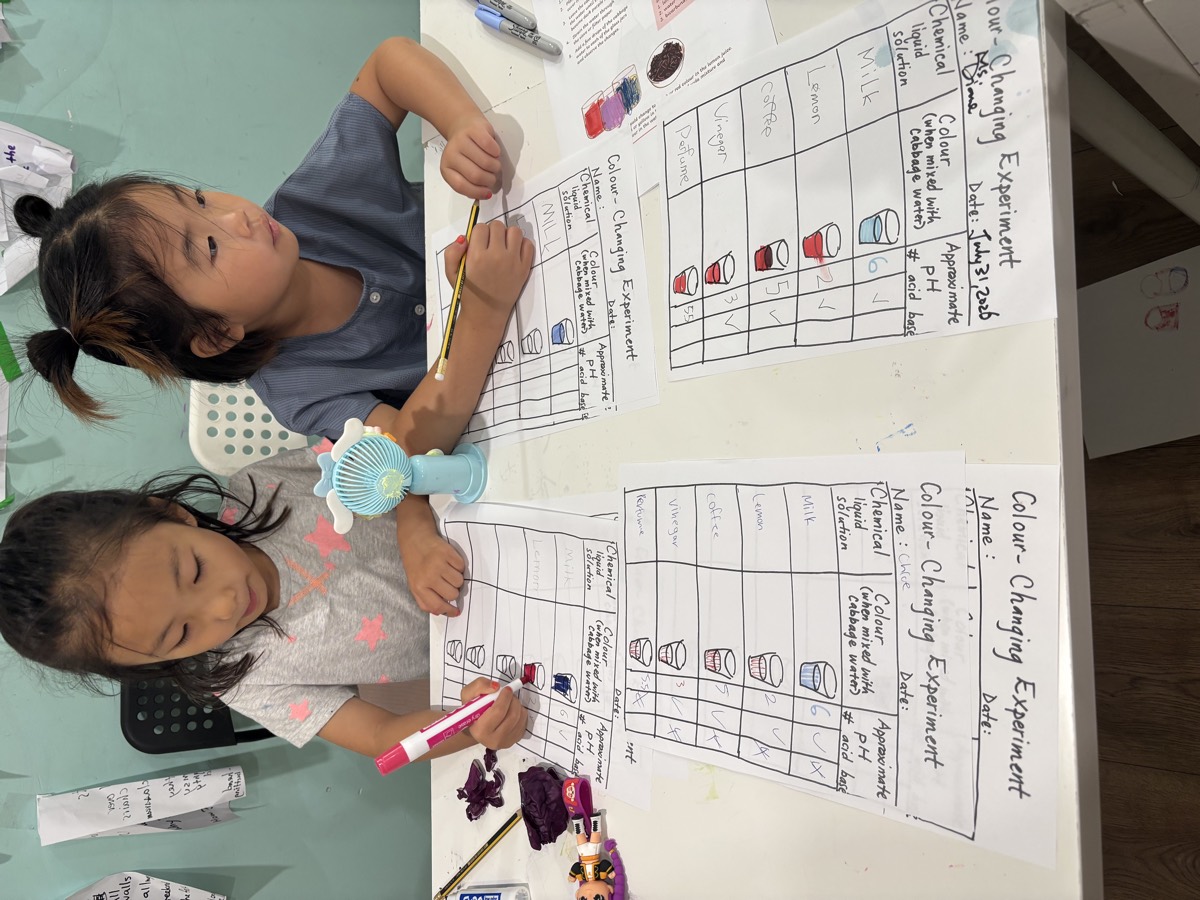
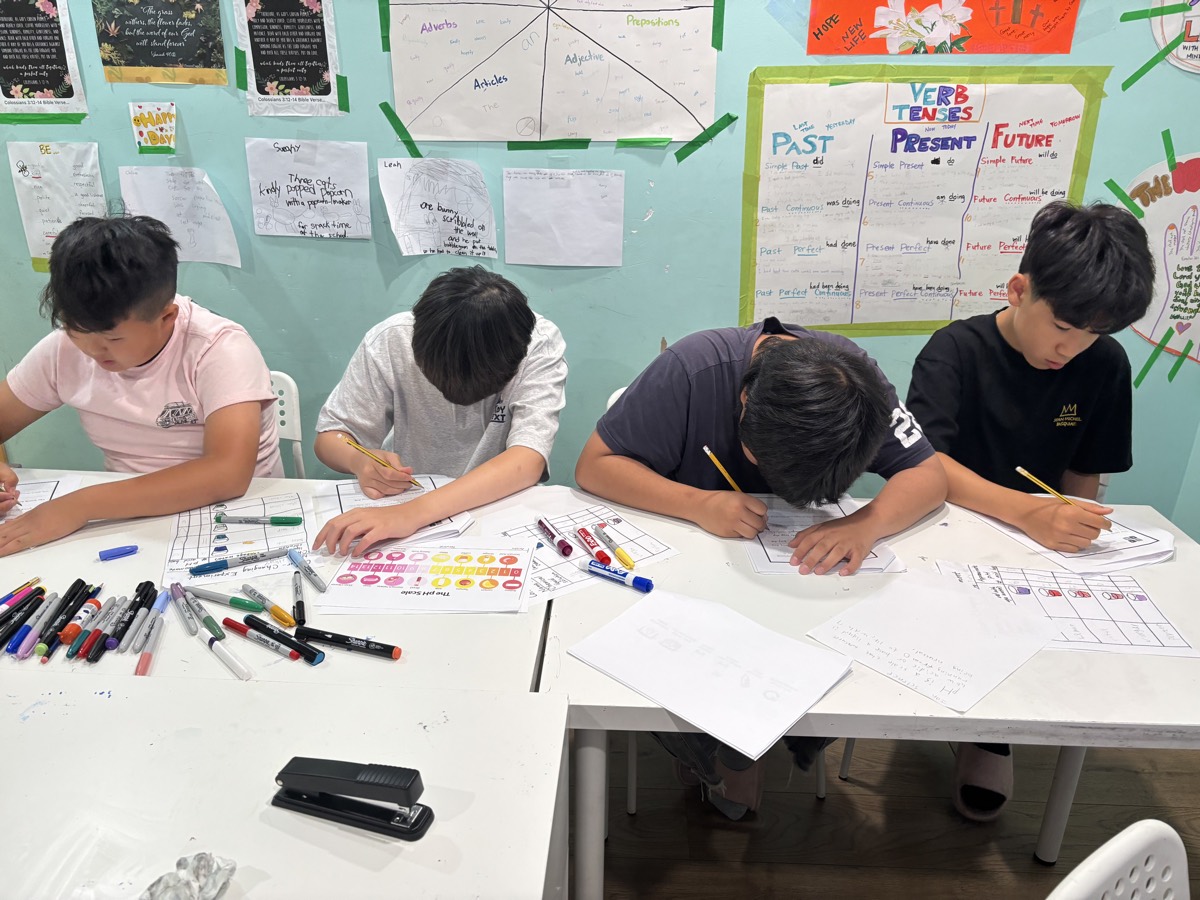
And the finished sheets tell the story better than we can. Milk ≈ 6 · Lemon 2 · Coffee 5 · Vinegar 3 · Perfume 5–6 — all reds and pinks, all acids. Then over on the other sheet: baking soda, dish soap, laundry soap, glass cleaner, floor cleaner — every single one drawn in blue. 🔵
🍋 The Moment of the Day Lemon juice goes bright red
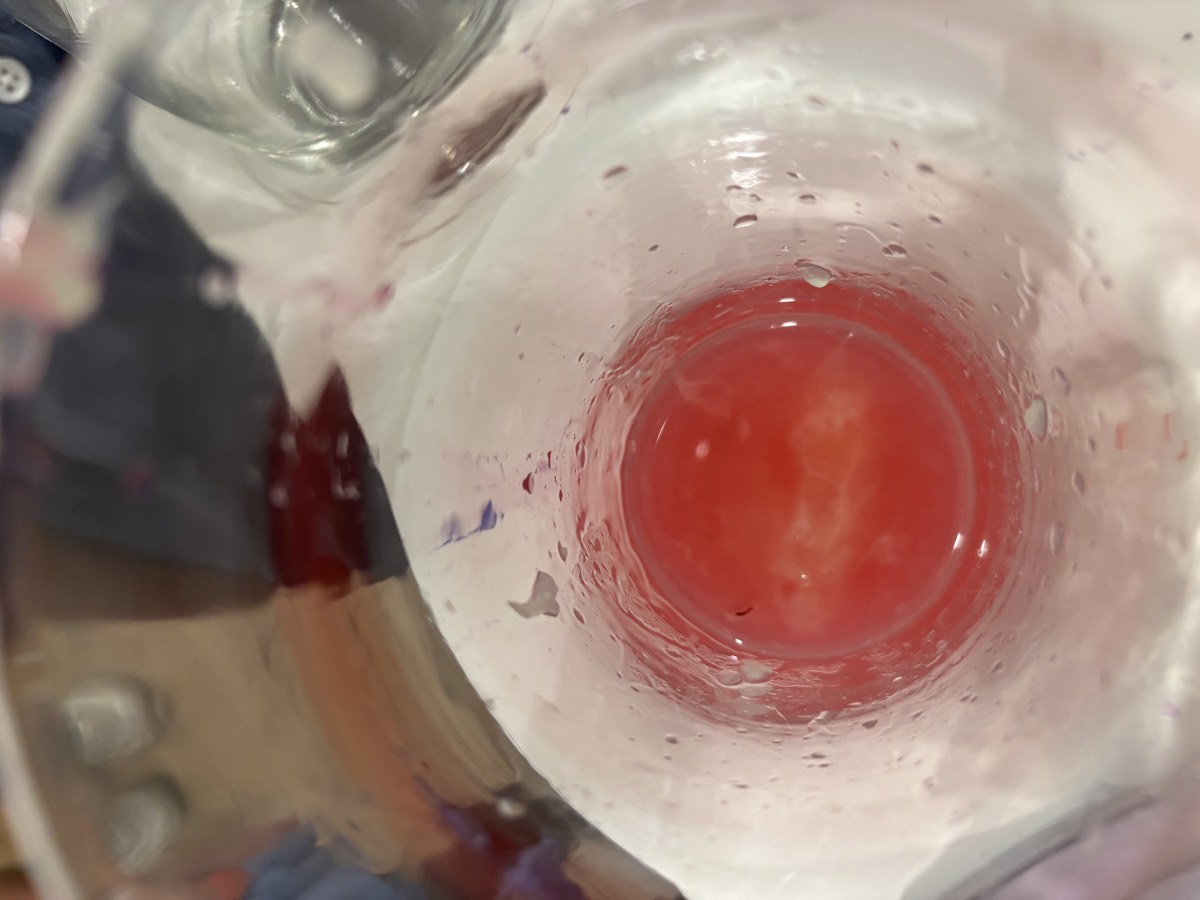
Here it is: pure lemon juice, being acidic, changed to bright red the moment a little purple cabbage water was added. 😮😀🧐
At the other end of the scale, the cleaners went the opposite way entirely — straight past blue toward green, and the most extreme ones further still, into a bright orange-yellow. Same purple water, opposite answer. 🔵
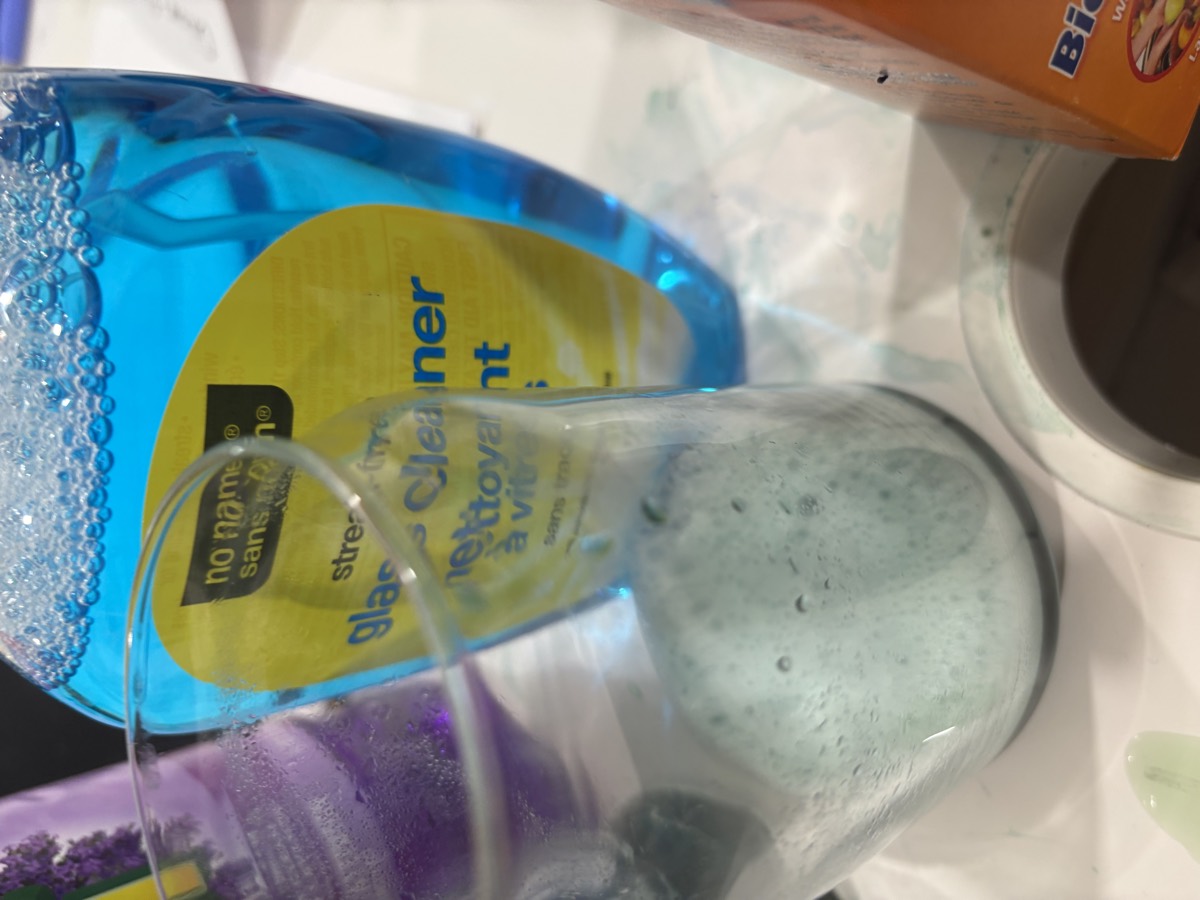
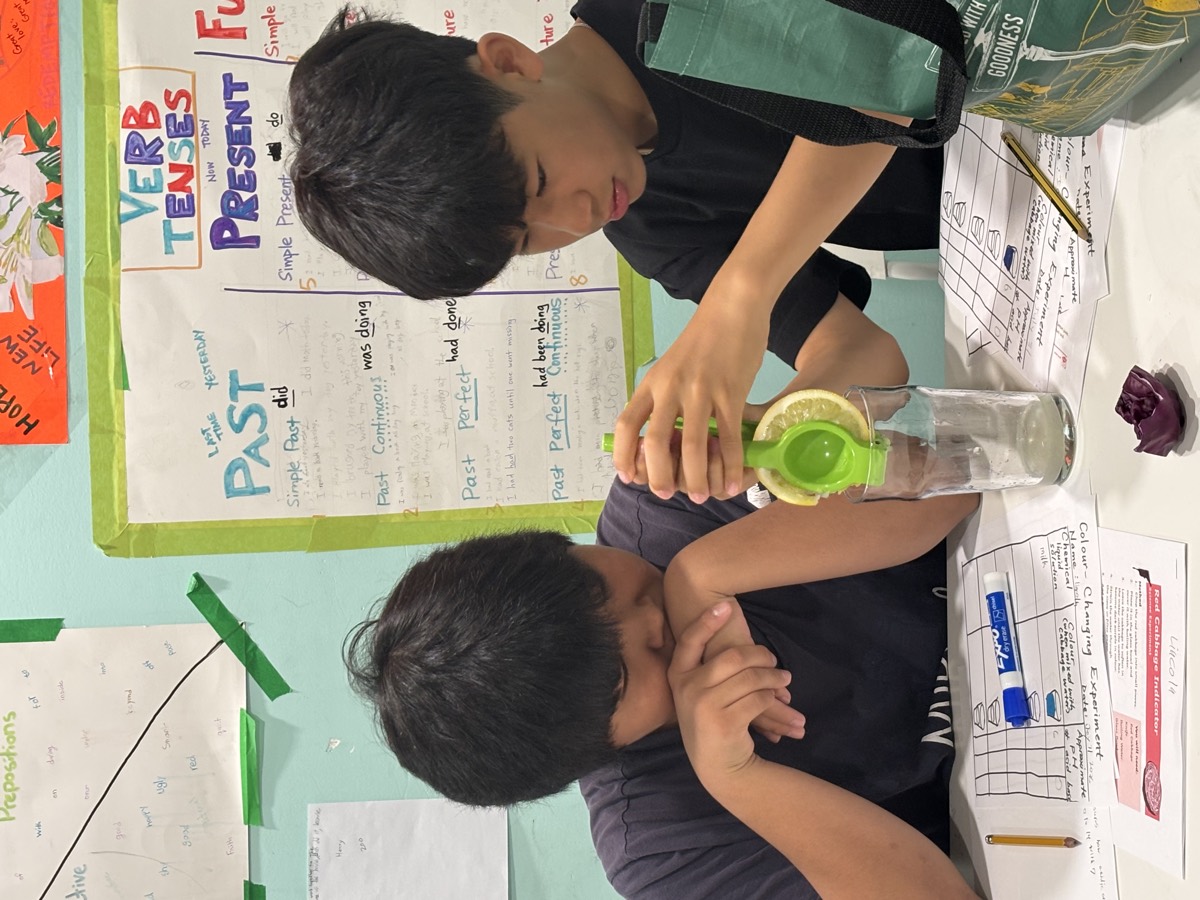
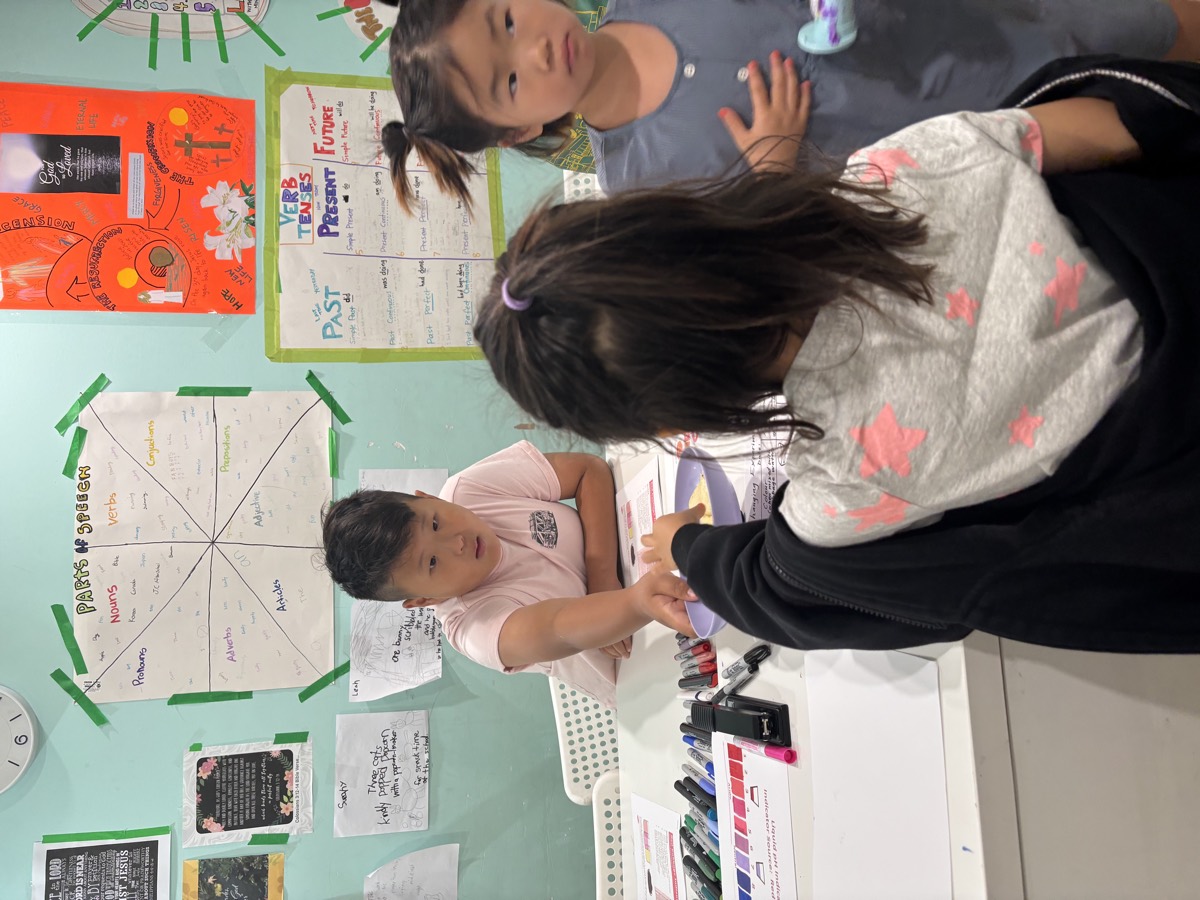
- The younger children only handled safe products — coffee, milk, lemon juice, perfume, purple cabbage and baking soda.
- Only the older students handled the dish soap and the glass and floor cleaner — and without actually touching any of it.
- Anything corrosive was handled strictly by the teacher, kept in sealed jars far away from the students. The more extreme alkaline products were kept away from the children entirely.
The conclusion, reached by the little scientists and the middle school science experts alike: liquids can be acidic, neutral, or alkaline (base). Depending on their pH, they will turn either red or blue — and reveal their acidity level by the colour they change to, regardless of their original colour. 💡
✍️ Cursive, For Everyone And a signature to keep
Today, everyone, young and old, had a chance to practise cursive writing — so they can be aware of this style, be able to read and write it if they choose, and one day have a nicely developed signature of their own. The quick brown fox jumps over the lazy dog, then the alphabet, then the best part: write your name and make a signature. ✒️
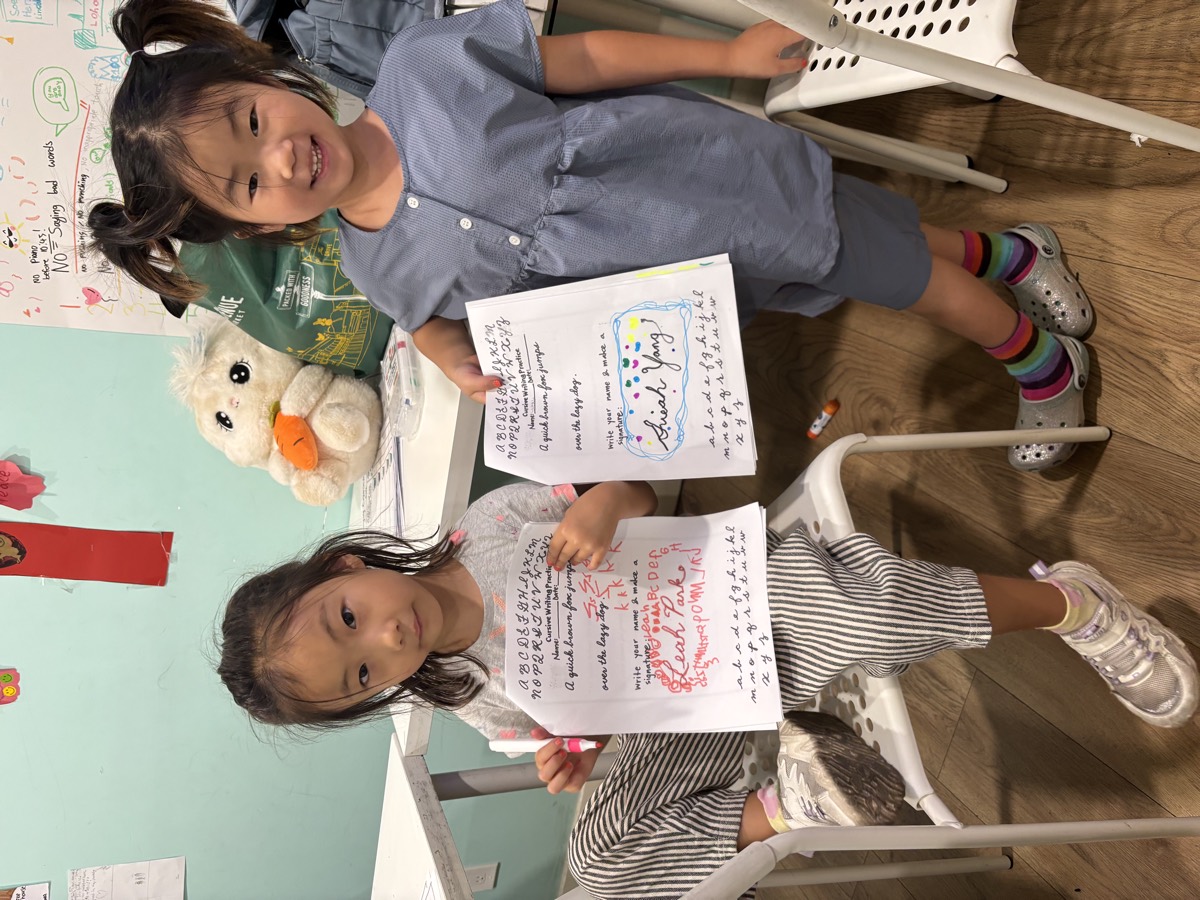
Handwriting is having a big come-back among educators, taught from as early as grade 1. It is worth the practice — and the children were glad of it today.
🍜 Lunch & Afternoon Noodles, then out we go
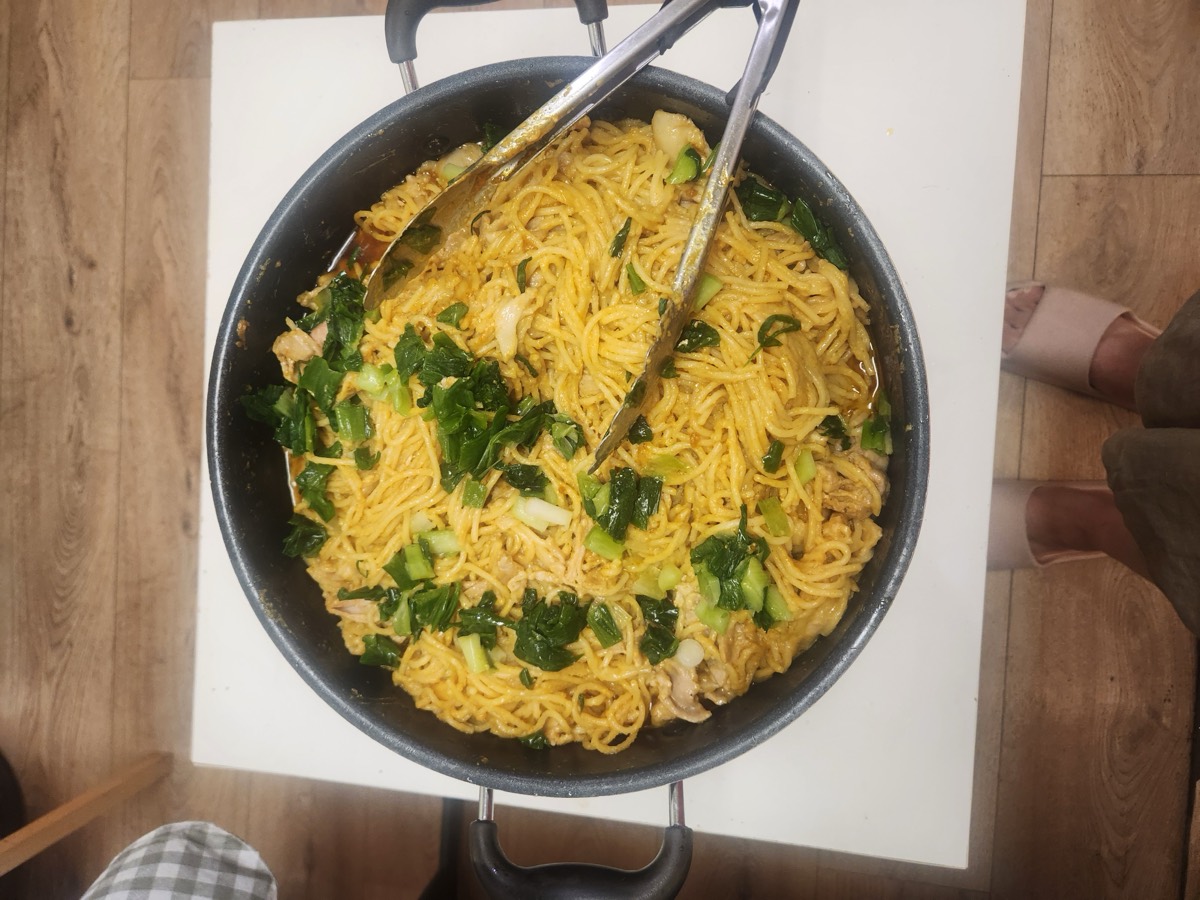
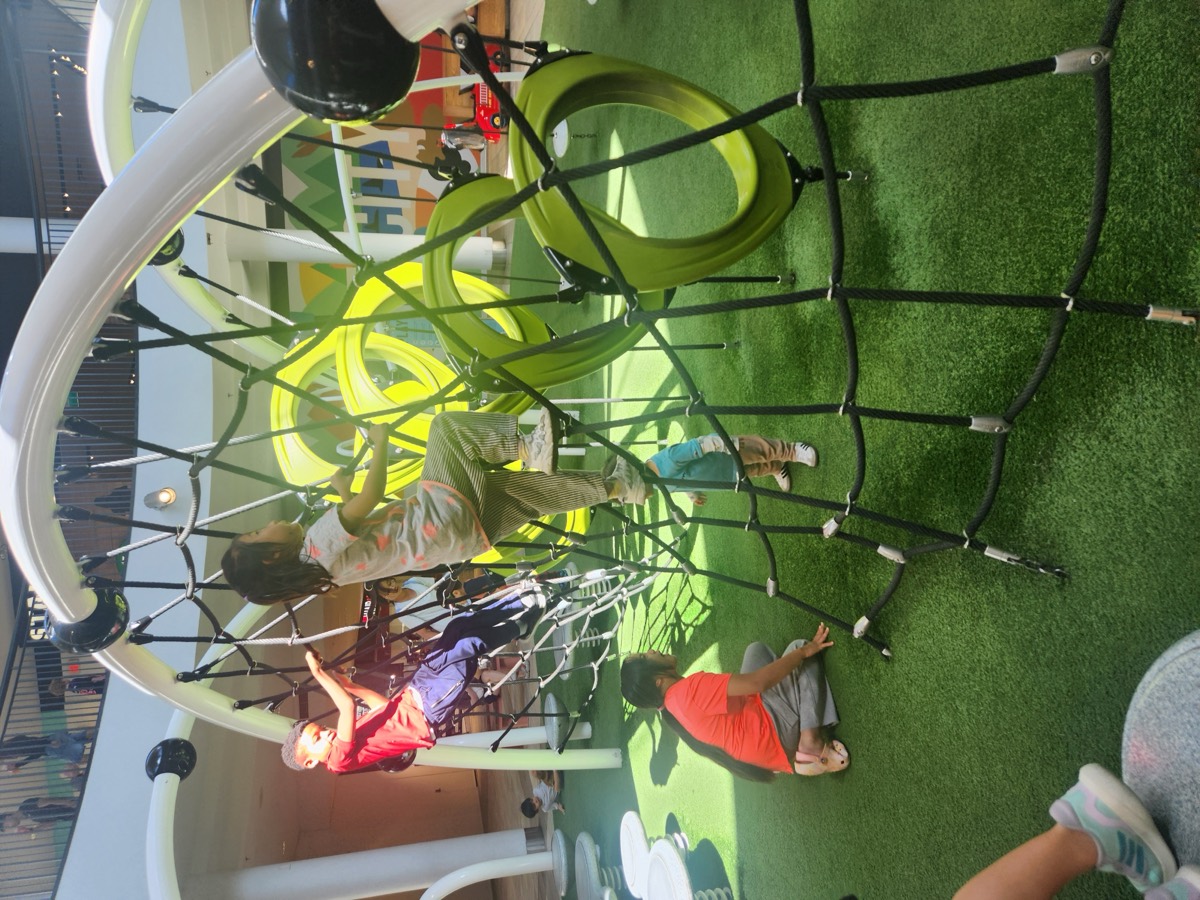
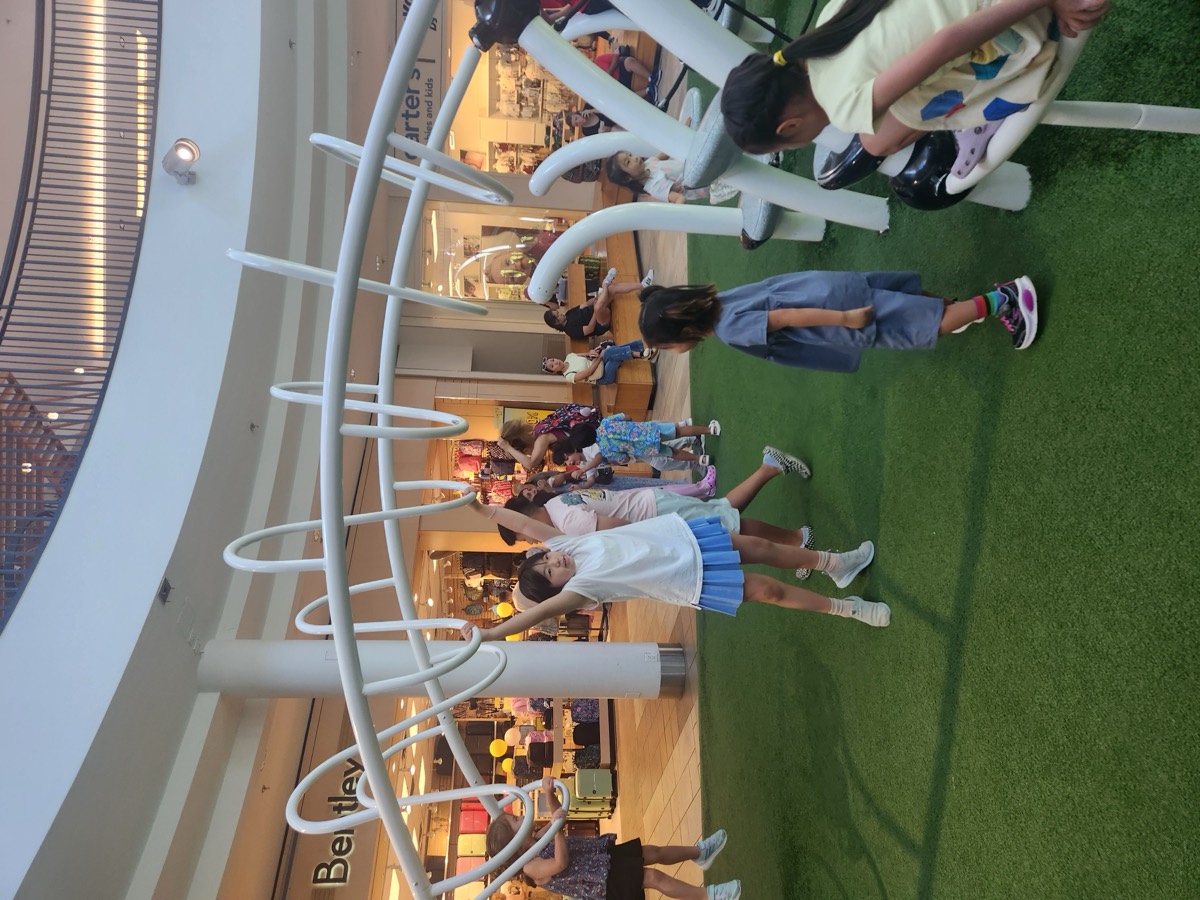
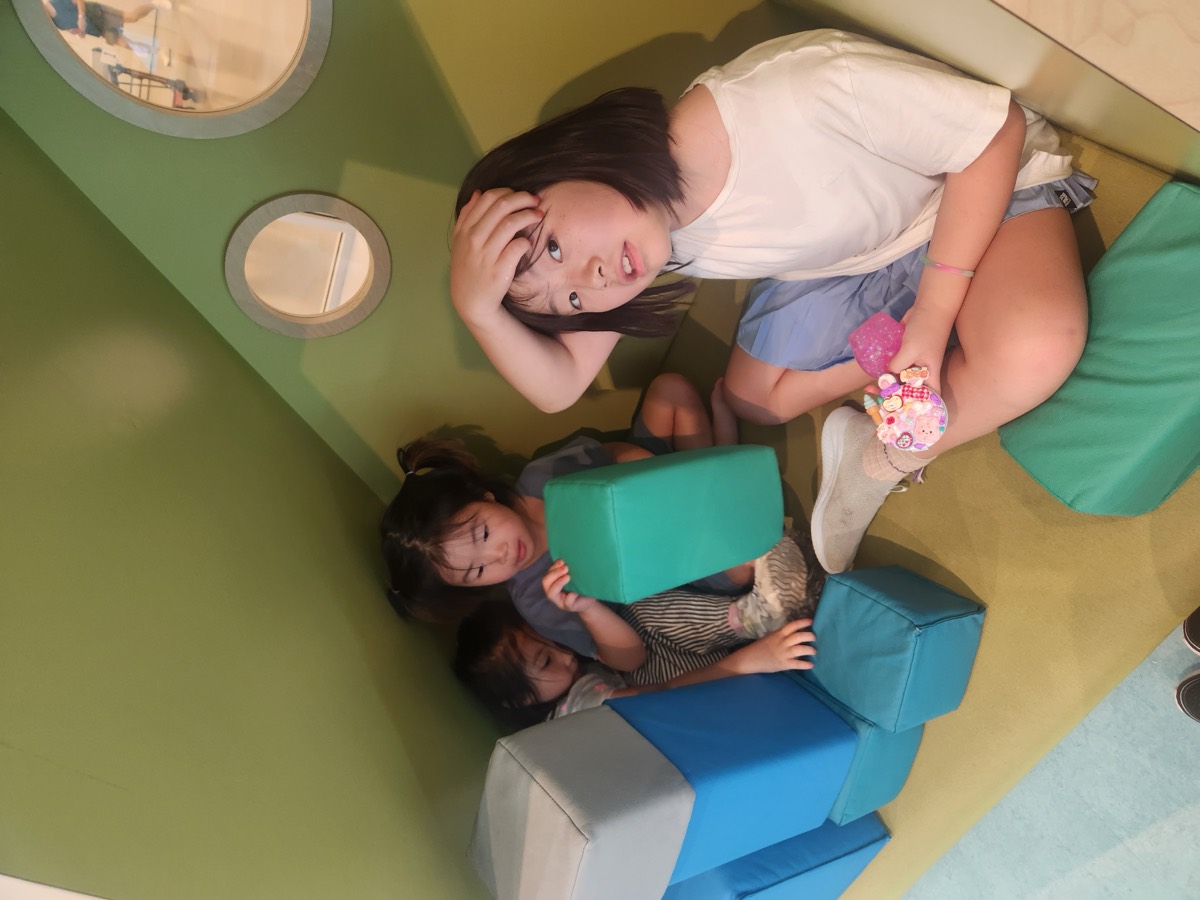
Lunch was a big pan of noodles with vegetables, and then the afternoon belonged to the indoor playground — climbing nets, loops to hang from, and a quiet pod to hide in when it all got a bit much. 🛝
Tonight: the Summer Lights fireworks show at English Bay — 10pm. A good way to end the week if you are heading out!
Save the date — August 28. On the final day of JC Summer Camp we are planning a summer party and graduation: an all-day celebration field trip to the teacher’s home in Port Coquitlam. We did the same last summer, and it was truly wonderful. More details to follow.
The little scientists today, as well as the middle school science experts, discovered that liquid things can be acidic, neutral, or alkaline. Safety is always first. Have a wonderful weekend everyone!!! ❤️
Ask them this weekend which liquid in your kitchen they would test first. They will have an answer — and probably a pH guess to go with it. Have a wonderful weekend! 💜
- Phone
- 778-258-2223
- @jc_afterschool
- Location
- #130 – 1140 Austin Ave, Coquitlam, BC